Safety · Standards · Accountability
Safety Is How We Build
On occupied campuses, active facilities, and live airport operations, safety isn't a checklist, it's the operational framework every crew member works within from the first day to the last.
How We Work
Safety is planned before it is enforced.
A site-specific plan before a tool touches your facility
Old Ironsides Construction treats job-site safety the same way we treat a project schedule: with rigor, ownership, and zero tolerance for shortcuts. Before a single tool touches a facility, our team develops a site-specific safety plan that accounts for occupant patterns, adjacent operations, utility conflicts, and phasing constraints. That plan is reviewed with field crews, not just filed in a binder.
Built for buildings that stay open
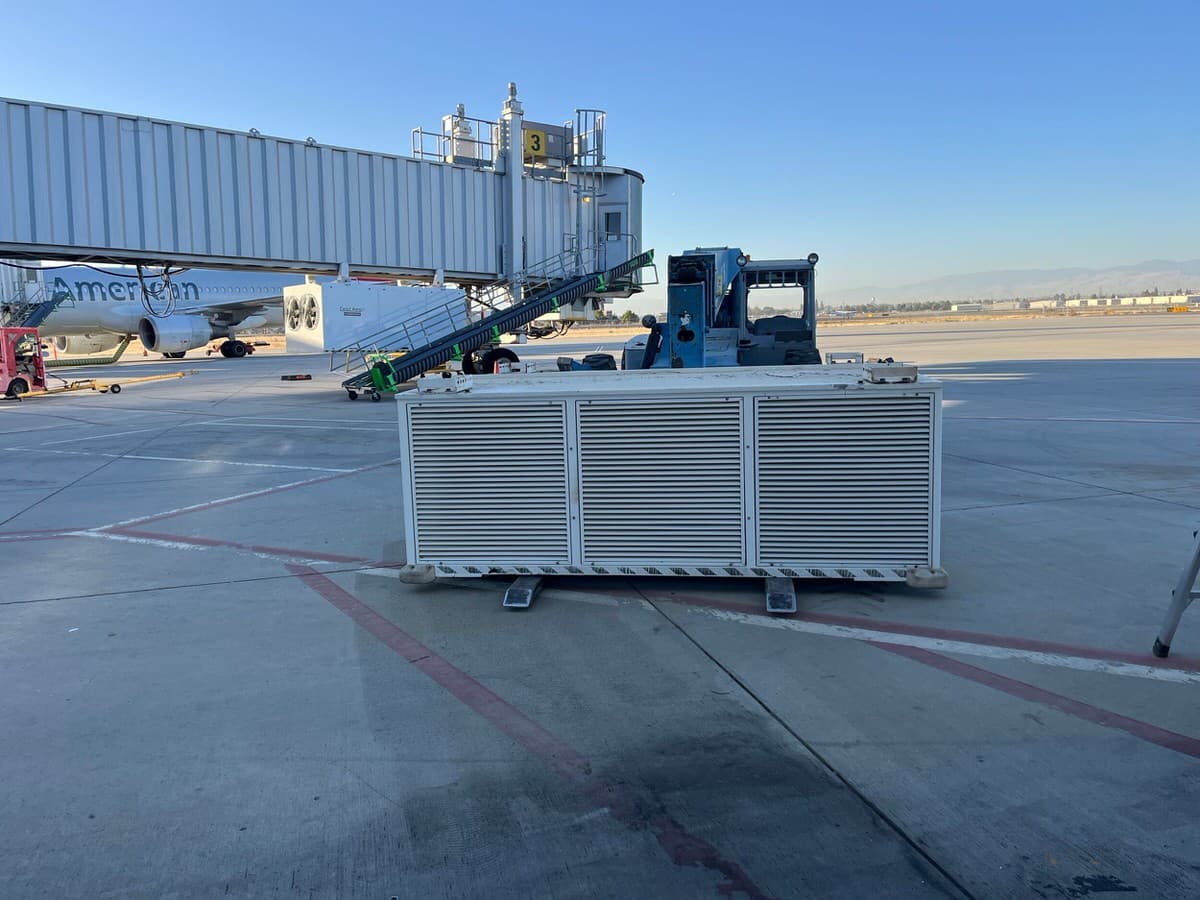
Our work regularly takes place inside or directly adjacent to operating environments, schools in session, county offices serving the public, airport terminals with active passenger traffic. That context demands more than standard precautions. It demands sequencing decisions that keep building users separated from construction activity, clear signage and barricade protocols, and a superintendent who is accountable for conditions at the end of every shift, not just at the start.
The people who wrote the plan are the ones enforcing it
Owner-led management means the people who designed the safety plan are present on the site enforcing it. There is no delegation gap between what was promised in the pre-construction meeting and what is practiced in the field. When a condition changes, a new trade on site, a shift in occupancy, a weather event, our team adapts the plan and communicates the change before work resumes.
Frequently Asked
What facility teams ask before we mobilize.
We develop a phased access plan before mobilizing, identifying which areas are under construction, which remain in active use, and exactly where those zones are separated. Temporary walls, sealed containment, dedicated contractor entry points, and daily walk-throughs keep occupants away from any construction hazard. The superintendent reviews conditions at the end of every shift so the facility is in a clean, safe state for the next day's occupant activity.
Prior to mobilization, we submit a site-specific safety plan, a hazard communication summary, proof of insurance and CSLB licensure, and a phasing schedule that maps construction activity against facility operations. For public agencies and school districts, we coordinate directly with the facilities or risk management office to make sure their internal approval process is satisfied before any work starts.
Every project has a written emergency action plan that is reviewed with the crew at the pre-construction meeting. It identifies the nearest emergency services, the facility's designated safety contact, and the chain of communication if an incident occurs. Any recordable event is documented, investigated for root cause, and reviewed by project leadership, not to assign blame, but to prevent recurrence on this job and the next one.
Yes. Every subcontractor we bring onto a site is required to follow our site-specific safety plan and our conduct standards as a condition of their contract. Our superintendent has authority to stop work if any trade, ours or a subcontractor's, creates an unsafe condition. We pre-qualify subcontractors on their safety record before we contract with them, not after something goes wrong.
A safer jobsite is a faster jobsite.
We plan the work so your people, your schedule, and your facility all come through it clean. Tell us about your project.